Best Linen Shirts for Men: The Ultimate Buying Guide
Aug 21, 20265 Min Read
Featured Gaming Portal
Ready to Play & Win Rewards?
Experience fast multiplier rounds, instant cashouts, and official certified fair play.
Provably FairInstant Cashouts
Summer wardrobes live and die by one fabric: linen. If you are searching for the best linen shirts for men, this guide breaks down everything — fabric weight, weave, fit, styling and care — so you buy a shirt that actually earns its place in your closet.
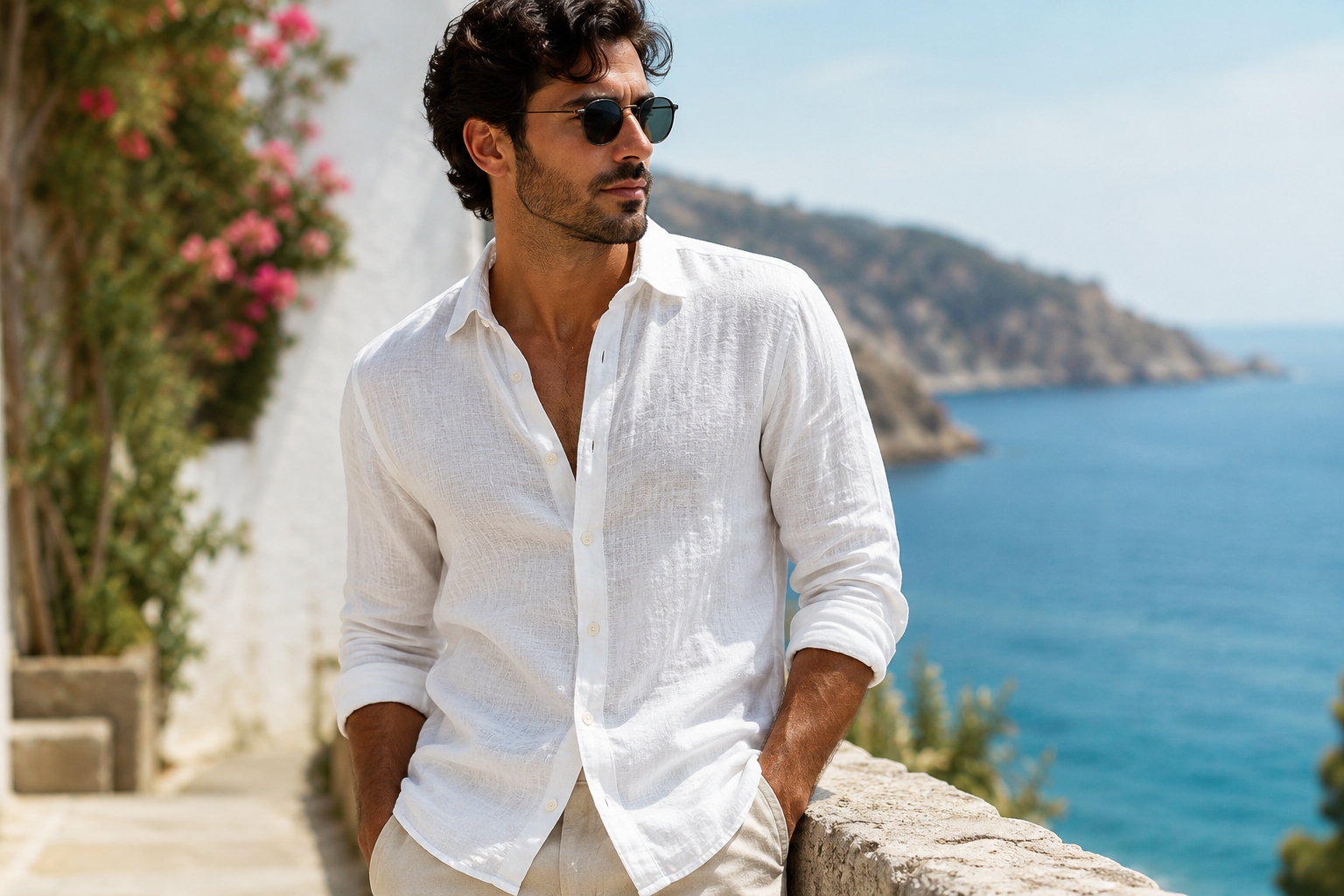
Alt text for hero image: man wearing white linen shirt for men in summer outdoors
Why Choose Linen Shirts for Men?
Linen is spun from the flax plant. That single fact explains most of its benefits.
Breathable fabric — the loose weave lets air pass through, keeping you cool in humid weather.
Moisture-wicking — linen absorbs sweat fast and dries quicker than cotton.
Naturally durable — flax fibres are strong, so a good linen shirt can outlast several cotton ones.
Gets better with age — linen softens with every wash instead of wearing out.
If summer heat, humidity or frequent travel are part of your routine, men's linen shirts solve a problem cotton simply can't.
How to Choose the Best Linen Shirts for Men
Not all linen is equal. Here's what actually separates a great shirt from an average one.
1. Check the Fabric Weight (GSM)
Linen is measured in GSM (grams per square metre).
120–150 GSM — lightest, most breathable, best for peak summer.
150–200 GSM — medium weight, holds shape better, good all-rounder.
200+ GSM — heavier, slightly less airy, but more structured for smart-casual wear.
For hot climates, stay under 180 GSM.
2. Look at the Weave
A tighter, even weave means fewer snags and a smoother finish. Loosely woven linen wrinkles faster and can look unfinished. Run your fingers across the fabric — it should feel firm, not flimsy.
3. Pick the Right Fit
Slim-fit linen can look great on paper but restricts airflow, defeating the fabric's purpose. A relaxed or regular fit with slightly dropped shoulders lets linen do its job — cooling you down — while still looking sharp.
4. Choose Practical Colors
White, beige, sky blue and sage green are the most versatile shades. Lighter colors also reflect heat better than darker ones, which matters more with linen than with any other fabric.
Alt text for image: close-up of linen fabric weave and texture
Best Occasions to Wear Linen Shirts
Everyday casual — pair with chinos or shorts.
Beach or resort wear — linen is practically designed for vacations.
Semi-formal summer events — a well-pressed linen shirt works for daytime weddings or garden parties.
Office-casual Fridays — tucked in, with trousers and loafers.
How to Style Linen Shirts for Men
Casual look: Roll up the sleeves, leave the top button open, pair with linen or cotton shorts.
Smart-casual look: Tuck it into tailored trousers, add a leather belt and loafers.
Layered look: Wear it open over a plain t-shirt for cooler evenings.
Accessories: Keep it minimal — a simple watch or sunglasses is enough; linen already makes the statement.
Linen Shirt Care Tips
Wash in cold water on a gentle cycle to preserve fibre strength.
Skip the dryer — air-dry to avoid shrinkage and excess creasing.
Iron while slightly damp, or steam, for a cleaner finish.
Store on hangers, not folded, to reduce deep wrinkles.
A few wrinkles are normal with linen — that's part of its natural, relaxed character, not a flaw.
FAQs About Linen Shirts for Men
Is linen good for hot and humid weather? Yes. Linen's open weave allows air circulation and pulls moisture away from the skin, making it one of the best fabrics for heat and humidity.
Do linen shirts wrinkle easily? Yes, linen wrinkles more than cotton. This is a natural trait of the fibre, not a defect, and it's part of the fabric's relaxed appeal.
Can linen shirts be worn in winter? Heavier GSM linen (200+) can work as a light layer in mild winter weather, though it's primarily a warm-weather fabric.
Is 100% linen better than a linen-cotton blend? 100% linen is more breathable and cools better; linen-cotton blends wrinkle less and hold shape longer. Choose based on whether comfort or low-maintenance matters more to you.
Final Thoughts
The best linen shirts for men balance three things: the right GSM for your climate, a fit that lets the fabric breathe, and a weave that holds up over time. Get those right, and a linen shirt becomes one.