Gen Z Outfits for Female in India: The Complete 2026 Style Guide
Aug 12, 20265 Min Read
Featured Gaming Portal
Ready to Play & Win Rewards?
Experience fast multiplier rounds, instant cashouts, and official certified fair play.
Provably FairInstant Cashouts
Fashion in India is changing fast, and young women are leading the change. Walk onto any college campus today and you will see easy comfort mixed with bold self-expression. This is the heart of gen z outfits for women in India: clothes that feel good, look good, and say something about who you are. This guide breaks down what Gen Z style really means in India right now, with real outfit ideas, styling tips, and a look at the trends shaping 2026.
What Is Gen Z Style in India?
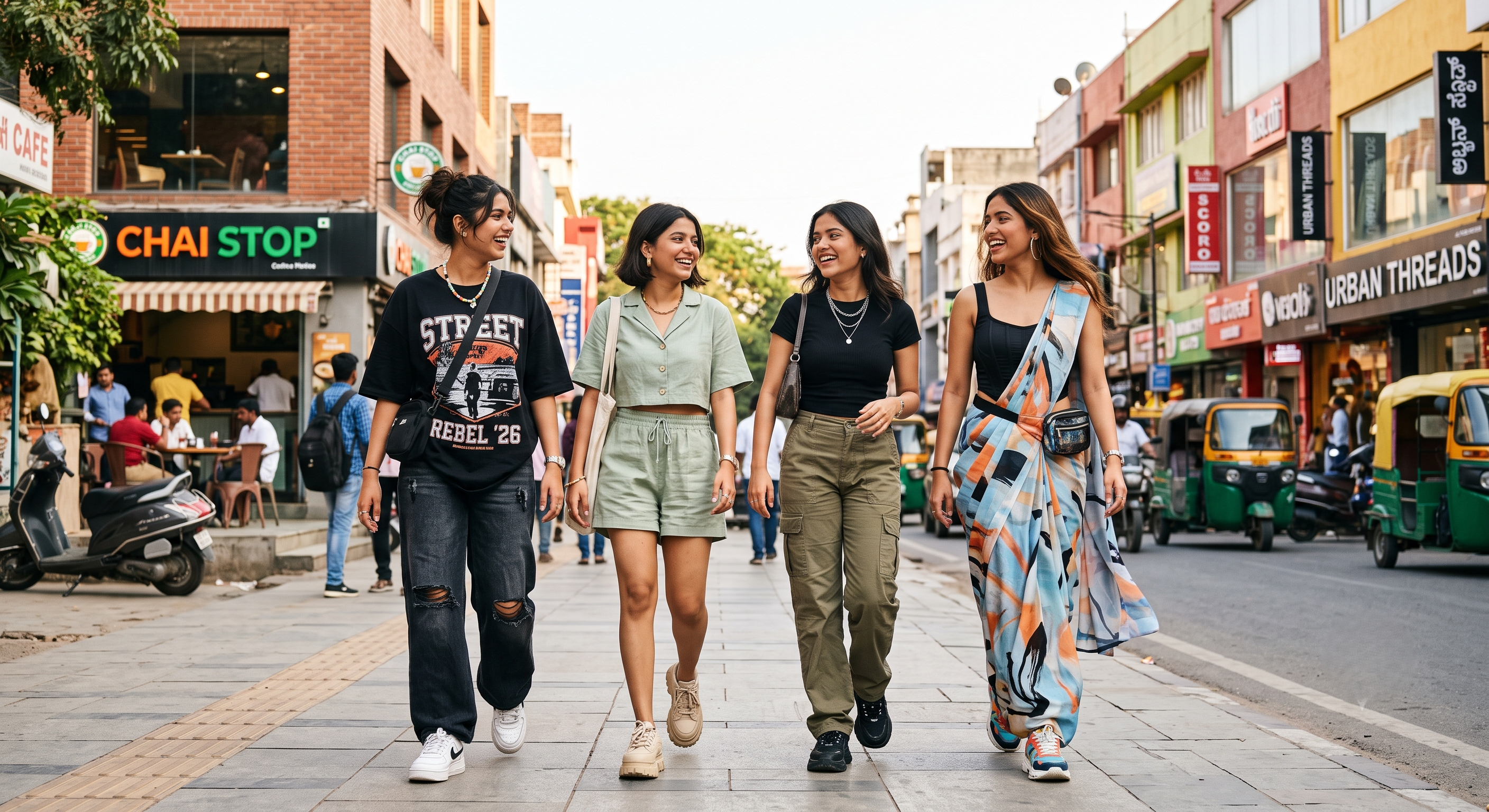
Many people ask, what is Gen Z style in India? It is not one single look. It is a mindset. Comfort comes first, self-expression comes next, and sustainability and inclusivity sit close behind. Young Indian women want outfits that move with them from home to college to a coffee shop with friends. The clothes should photograph well for social media, but they should also feel true to daily life. That means humid summers, long commutes, and tight budgets all shape the final look. Unlike older fashion rules, this generation skips the idea of one right way to dress. One girl may wear an oversized shirt with biker shorts. Another may choose a co-ord set with chunky sneakers. Both looks count as valid choices, and that freedom is the real story behind Gen Z fashion female style today.
Casual Gen Z Outfit Ideas for Everyday Wear
For daily college or work days, comfort still wins. Here are outfit ideas that show real casual Gen Z outfit female in India style:
Oversized graphic t-shirt with wide-leg jeans and sneakers
Boxy shirt tucked loosely into cargo pants
Co-ord sets in soft cotton, paired with platform shoes
Baby tee layered under an open shirt, worn with denim
Athleisure sets, such as leggings with an oversized hoodie
These outfits work because they are simple to repeat. You can wear the same wide-leg jeans with five different tops and still look fresh each time. This is why comfort-first dressing has become a daily habit rather than a passing phase.
Trending Tops and Everyday Basics
The right top can change an entire outfit. Right now, the most popular Gen Z top for women styles include boxy loose-fit shirts in plain colours, cropped baby tees worn in layers, graphic tees with bold or minimal prints, and corset-style tops worn under open jackets. Neutral tones and clean designs are gaining ground too, as many young women now prefer a few well-made basics over a closet full of fast fashion pieces bought for a single use.
Ethnic Wear With a Modern Twist
Ethnic wear has not disappeared, it has simply changed shape. Gen Z ethnic wear for women now blends heritage pieces with modern styling, especially at weddings and festivals where outfits become more experimental. A saree worn with a corset-style blouse and sneakers is common at events today. Lehenga skirts get paired with crop tops instead of a traditional choli, and kurtas are worn with jeans, sneakers, and layered chains. Chikankari kurtas mixed with cargo pants have also become a favourite desi twist on retro style. This Indo-western mix lets young women honour tradition while still feeling like themselves. It also photographs beautifully, which matters at any event that ends up on social media.
Footwear and Accessories That Complete the Look
An outfit is never finished without the right finishing touches. Chunky sneakers remain the most common footwear choice, paired with almost anything from jeans to a saree. Platform shoes are close behind, especially with co-ord sets and dresses. On the accessory side, layered chains, tinted sunglasses, and small metallic bags are showing up again and again across college campuses and social media feeds. None of these pieces are expensive on their own, which is part of the appeal. A single pair of good sneakers or a statement bag can be reused across dozens of different outfits, making the whole wardrobe feel more connected without adding extra cost.
Where This Generation Shops
Shopping habits have shifted too. Many young women now split their spending between a few trusted labels for basics and thrift or resale platforms for statement pieces. Homegrown brands known for relaxed, comfort-first silhouettes have built loyal followings among college students, while local streetwear labels in cities like Bengaluru and Mumbai continue to shape what counts as cool. Instagram and short-form video content play a large role here, often introducing a new micro-trend one week and moving on to the next within a month. This fast pace is part of why staying flexible with a few core pieces, rather than chasing every single trend, tends to work better in the long run.
Top Trends Shaping Gen Z Clothing India in 2026
A few clear patterns are shaping wardrobes across Indian cities this year.
Y2K revival: Low-rise jeans, metallic bags, and playful prints are back with an Indian touch
Desi streetwear: Bandhani hoodies and saree skirts mix global street style with local roots
Gender-fluid fashion: Unisex fits are breaking down the line between men's and women's sections
Sustainable choices: Thrifting and upcycled pieces are replacing fast fashion for many shoppers
Utility fashion: Cargo pants and functional jackets bring a practical edge to daily looks
Quiet luxury basics: Simple, well-fitted pieces in neutral shades for a calm, premium feel
These patterns show that this style movement is not just about following global fashion. It is about shaping a look that fits real Indian life while staying connected to what is happening worldwide.
How to Build a Wardrobe That Fits Your Style
Building a wardrobe around Gen Z outfits does not need a big budget or a full closet change. Start small. Pick two or three basics you already wear often, such as wide-leg jeans or a plain white shirt. Add one trend piece, like a co-ord set or a Chikankari kurta. Mix and match instead of buying a new outfit for every event, and choose comfort first before deciding how to style it for the day. This approach keeps a wardrobe simple while still leaving room to try new looks. It also fits a wider value many young shoppers now hold: buying less, but wearing more.
Final Thoughts
This style movement in India is about freedom, not rules. Whether it is an oversized tee with jeans or a saree styled with sneakers, the goal stays the same: dress for comfort, and let personal style speak for itself. As 2026 continues, expect this mix of tradition, comfort, and self-expression to keep shaping how young Indian women get dressed every day.